Is Artificial Intelligence Stopping Us From Having Ideas?
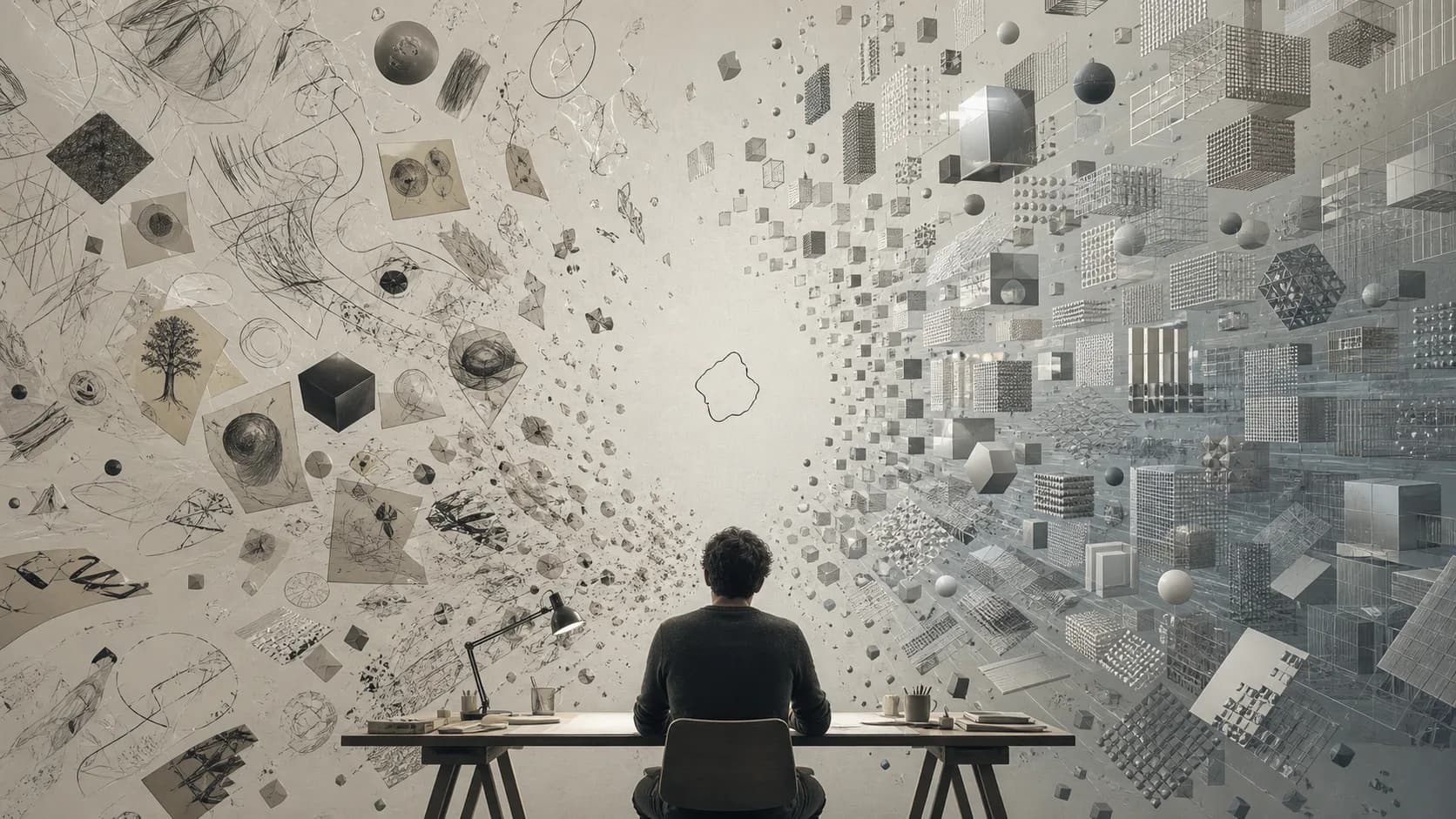
Picture a designer with a blank page in front of them. There is a brief in hand, but no idea yet. Once, this was the point where the research began: references were looked at, sketches were made, dozens of bad ideas were produced, and in the end one of them started to feel a little more exciting than the rest. Today the same designer can write a few sentences and get dozens of visual alternatives out of an artificial intelligence in seconds.
That is a great convenience. But it brings an important question with it: when artificial intelligence starts having the ideas for us, might we forget how to have them ourselves?
One of the strongest things about artificial intelligence in the design world is that it generates options. It can interpret an idea in different styles, propose different compositions, change the colours, build new characters and new worlds. A visual research or trial process that might once have taken hours can come down to a few minutes. Seen that way, artificial intelligence is a powerful tool for filling the blank page in front of a designer.
But there is an important distinction here. Generating options and having ideas are not the same thing. Artificial intelligence can show you a hundred different images. Deciding which of those hundred is the right one, why it is right, and which problem it solves is another matter entirely. And this is exactly where the designer's real role appears.
Because good design is not simply an image that looks good. An advertising visual can be beautiful, can be highly realistic, can have striking light or a flawless composition. But if it does not say what the brand wants to say, if it does not form the right relationship with its audience, or if it is no different from hundreds of other images like it, then what is in front of us is a good-looking image rather than a good idea.
Perhaps one of the most important effects of artificial intelligence on the design process will be that it forces us to think about that distinction more.
A significant part of a designer's time used to go into production. Researching, finding images, preparing alternatives, arranging, changing and producing them again took serious time. Today some of that can be done far more quickly. This creates a real opportunity for the designer: to think more, with less of the production burden.
For that to happen, though, the designer has to protect the thinking side. If we tell an artificial intelligence "find me an idea" and start using the first result we like, we have handed a significant part of the creative process to the tool. Whereas when we use it to develop our own idea, the situation changes.
Suppose, for instance, that we already have an idea for an advertisement. We can ask for twenty different visual interpretations of it. Then we can look at them and ask: "Why do I like this one?", "What is missing here?", "Can this idea be pushed further?" In that case the artificial intelligence is not having ideas for us. It is widening the limits of ours.
For me, that is the difference that matters.
Because creativity is not only producing something; it is understanding why something was produced. If a designer can explain why they chose a colour, why they used an image, why they designed a character that way, and how all of it connects to the brand's story, then whatever tool is in their hand, they are at the centre of the creative process.
Another question artificial intelligence raises is sameness. Today everyone can reach the same tools, similar models and similar production techniques. The same words produce similar results. Descriptions like "cinematic", "premium", "minimal" and "photorealistic" turn up in more and more images. There is some irony in aesthetics converging as the technology multiplies.
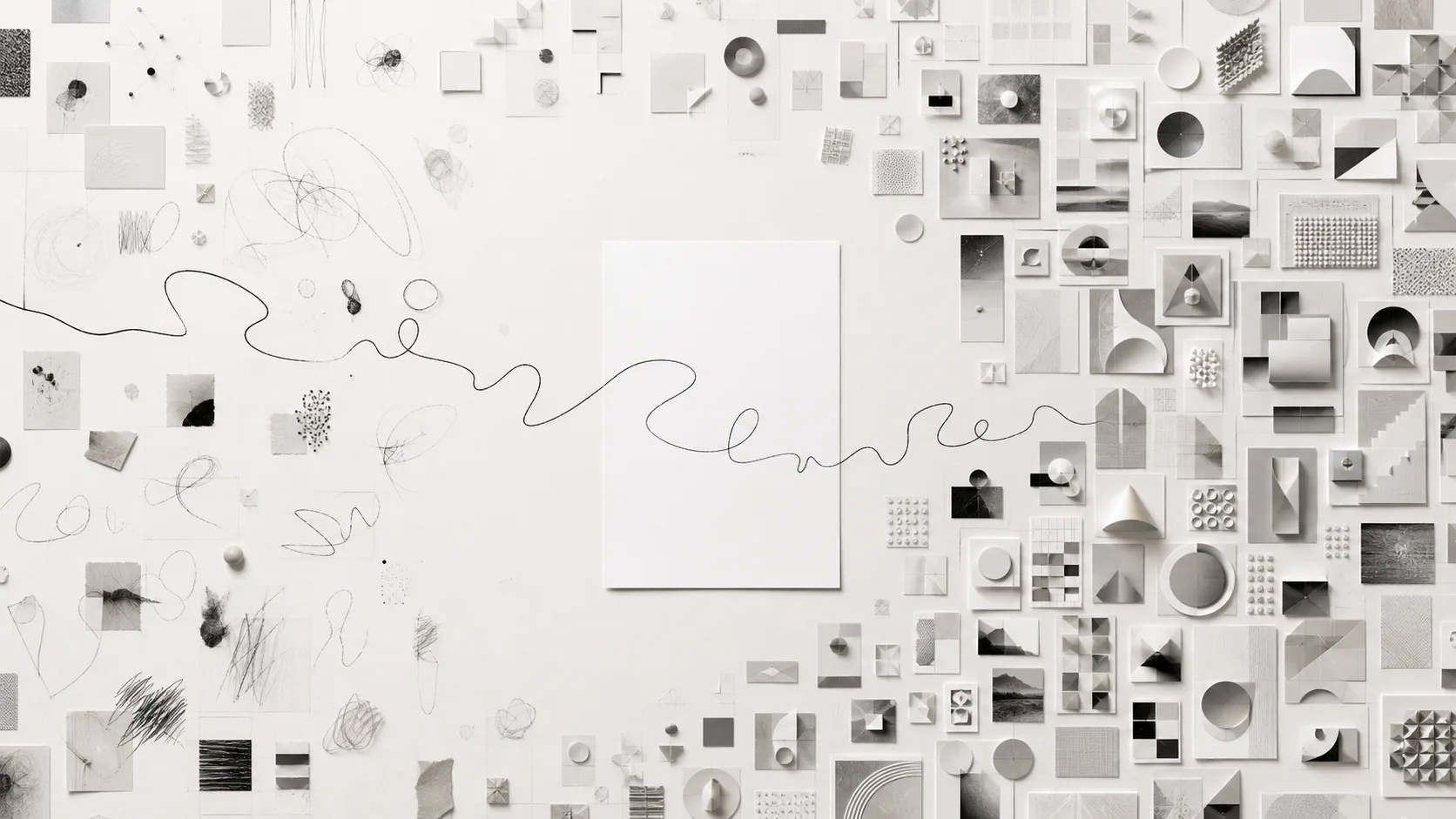
So in the future it may not be enough for a good designer simply to be able to use artificial intelligence. One of the skills that will matter is being able to see what is genuinely different among the hundreds of options produced. And, more importantly, being able to imagine what has not been produced yet.
Because an idea is usually not an image. An idea can begin with noticing a problem. It can appear by observing a human behaviour, by bringing two unrelated things together, by looking at a familiar question from another angle, or by asking "Why do we do this this way?"
Artificial intelligence can help with all of those. It can surprise us, offer alternatives, put a visual connection in front of us that we had never thought of. It can even, sometimes, help us understand our own idea better. But judging whether an idea is genuinely worth anything is still a human process.
Which is why framing the matter as "artificial intelligence or the human being?" does not feel right to me. Perhaps the real question should be: "What can a human being and an artificial intelligence produce together?"
Artificial intelligence does not have to be a designer's rival. It can be a research tool, a sketchbook, a space for developing ideas, or a creative partner for testing alternatives. What matters is who is at the wheel.
For us at TRIUS CREATIVE, artificial intelligence is not the end of the design process but one of its new tools. Before producing an image, the same questions still have to be asked: What are we saying? Who are we saying it to? Why are we saying it? Who has said this before? How else could we say it?
And perhaps the most important question of all:
Is this really an idea, or just a good-looking image?
Technology can let us produce faster. It can offer more alternatives. It can make possible what was not possible before.
But saying what is worth producing is still our job.
Artificial intelligence does not have to stop us from having ideas. As long as we do not leave the having of them entirely to it.
Read next
The Story of a Colour: Watching Exceptional Colours
A personal look at the history of colour, its role in design and its relationship with creative thinking, starting from TRT 2's documentary series Exceptional Colours.
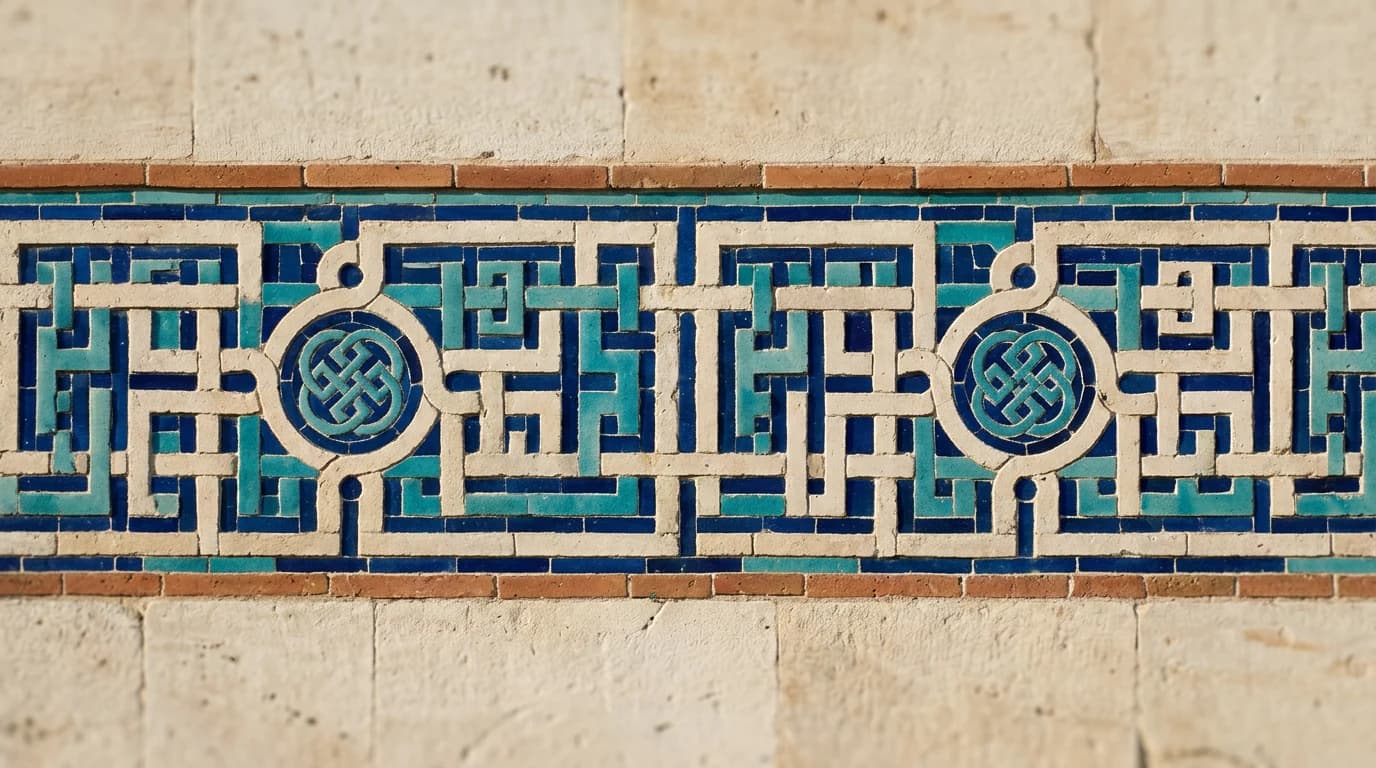
Seljuk Kufic: From Writing to Geometry
The geometric structure of Seljuk Kufic, the knotted Kufic examples, and what the script has to do with typography, the grid, rhythm and design.
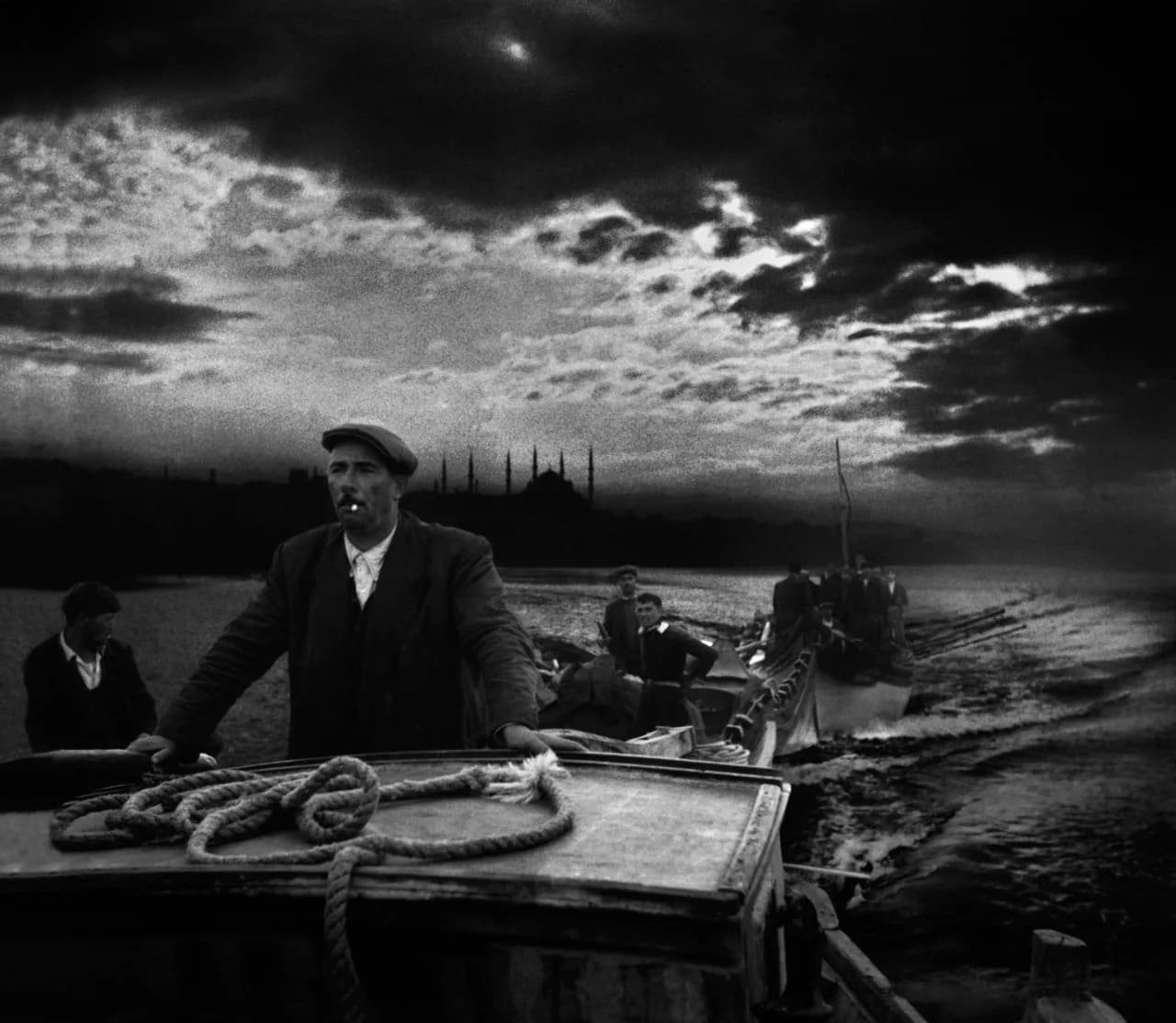
Magnum Photos and Ara Güler: Seeing a City
A short look at storytelling in photography, at composition, and at the visual memory of Istanbul, by way of Magnum Photos and Ara Güler.