Design Is Not Art: Design Where Art and Science Meet
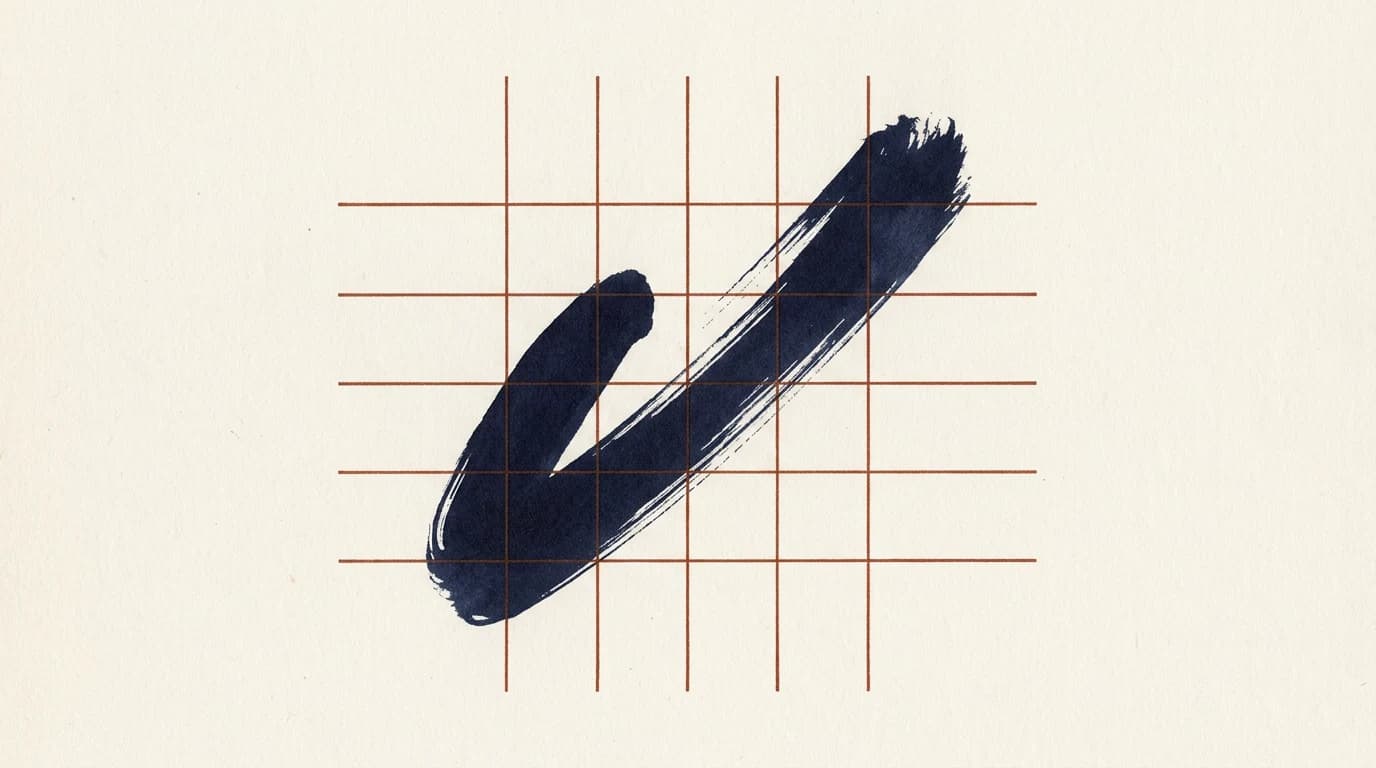
"Design is art."
We hear this sentence often in the design world. Looking at an aesthetic piece of work in particular — a good poster, a successful brand identity, a striking digital experience — it feels entirely natural to associate design with art.
But design is not art.
That does not mean design is far from art. On the contrary: design feeds on the aesthetic and expressive power of art, on the research and systematic thinking of science, and on many disciplines concerned with human behaviour. To define design as art alone is to ignore its problem-solving side.
Art usually exists in order to express a thought, a feeling or a point of view. An artist can make the work from their own perspective. How the work is received matters, but for art to succeed it does not have to solve a particular problem or produce a particular behaviour.
In design the situation is a little different.
There is usually a problem behind a design. A brand wants to explain itself more clearly. A product wants to be easier to use. A website wants to bring its visitor to a particular piece of information. An advertising campaign wants to attract attention, a package wants to be noticed on the shelf, an application wants its user to complete a task as easily as possible.
So the starting point of design is usually not "What can I make?" but "Which problem am I solving?"
Design is therefore not merely an aesthetic production.
It is of course important that a good design looks good. But beauty alone is not enough. A poster can be highly aesthetic, yet if its message is not understood there is a communication problem. A website can look very elegant, yet if the user cannot find what they came for the design has not reached its purpose. A logo can be visually striking, yet if it has no relationship with the brand's character it is hard to say a good brand identity has come out of it.
This is where design begins to separate from art.
Art has a strong side of expression. Design has a side of function.
But it would not be right to say design is only science, either.
Because in design, intuition, aesthetics, cultural references, storytelling, visual language and creativity matter enormously. A designer cannot arrive at a good idea by analysing data alone. Data can help them understand the problem; how they take that problem up differently is still the territory of creative thinking.
And this is exactly where design becomes interesting.
On one side there is science. Research, data, user behaviour, psychology, ergonomics, measurement, testing and analysis.
On the other there is art. Composition, colour, form, rhythm, aesthetics, narration and feeling.
Design works between those two worlds.
Suppose we are choosing a colour for a brand. Saying "this colour is beautiful" is not enough from a design point of view. The cultural meanings of the colour, the perception of the audience, the colours competitors use, the brand's positioning and how the colour will behave across different media are all weighed.
The same is true of typography. We do not choose a typeface only because it looks good. Legibility, character, field of use, brand personality, behaviour in digital and physical environments — many variables come into play.
Here we begin to see the scientific side of design.
In user experience it is more obvious still. Where a button sits, how a menu works, how many steps a form takes are not only aesthetic decisions. They require understanding the user's behaviour, examining data, running tests and changing the design according to the results.
Which is why the design process is usually a loop.
You research. You define the problem. You have ideas. You design. You test. You weigh the results. If necessary you go back to the beginning.
This is a different way of working from making art.
Art, of course, also demands research, technique and discipline. The distinction here does not mean one is scientific and the other entirely intuitive. The real difference is that design has to answer a particular need, a particular user or a particular problem.
Perhaps that is why one of the most dangerous sentences for a designer is "The client liked it."
Because liking and working are not the same thing.
Judging a design by its aesthetics alone leaves out a significant part of it. Design's question should start with "Is it beautiful?" but it should not end there.
"What is it saying?"
"Who is it saying it to?"
"What does it need to change?"
"How will it be read?"
"How will it be used?"
"Does it work?"
The real matter is being able to answer all of these.
With artificial intelligence entering design processes, this is becoming more visible. It can produce hundreds of visual alternatives in seconds. It can propose different colours, compositions, styles and ideas. But producing alternatives and finding the right design are not the same thing.
Because deciding which of the options is right still requires understanding the context.
Thinking of a designer only as the person producing images at a computer is therefore an incomplete definition. A designer is also the person who researches, questions, compares, decides, and can redefine the problem itself.
And design's relationship with art gains its value exactly here.
From art it takes composition, an aesthetic eye, expressive power and creativity. From science it learns research, system, measurement and testing. On top of those it adds the human being, culture, technology and communication.
What comes out is not only a beautiful image but a solution that serves a purpose.
Perhaps this is one of the truest ways to define design:
Design is a creative discipline where the expressive power of art meets the problem-solving approach of science.
Good design does not only appeal to the eye. It says something, makes something easier, guides a behaviour, solves a problem or changes an experience.
So design is not art.
But it is not without art either.
It is not science.
But it is not without science either.
Design is a discipline that develops its own methods between those two fields; one that brings aesthetics and function, creativity and data, intuition and research together on the same problem.
And perhaps that is exactly what makes design interesting.
For TRIUS CREATIVE, design begins with understanding the right problem, before producing what looks good.
Read next
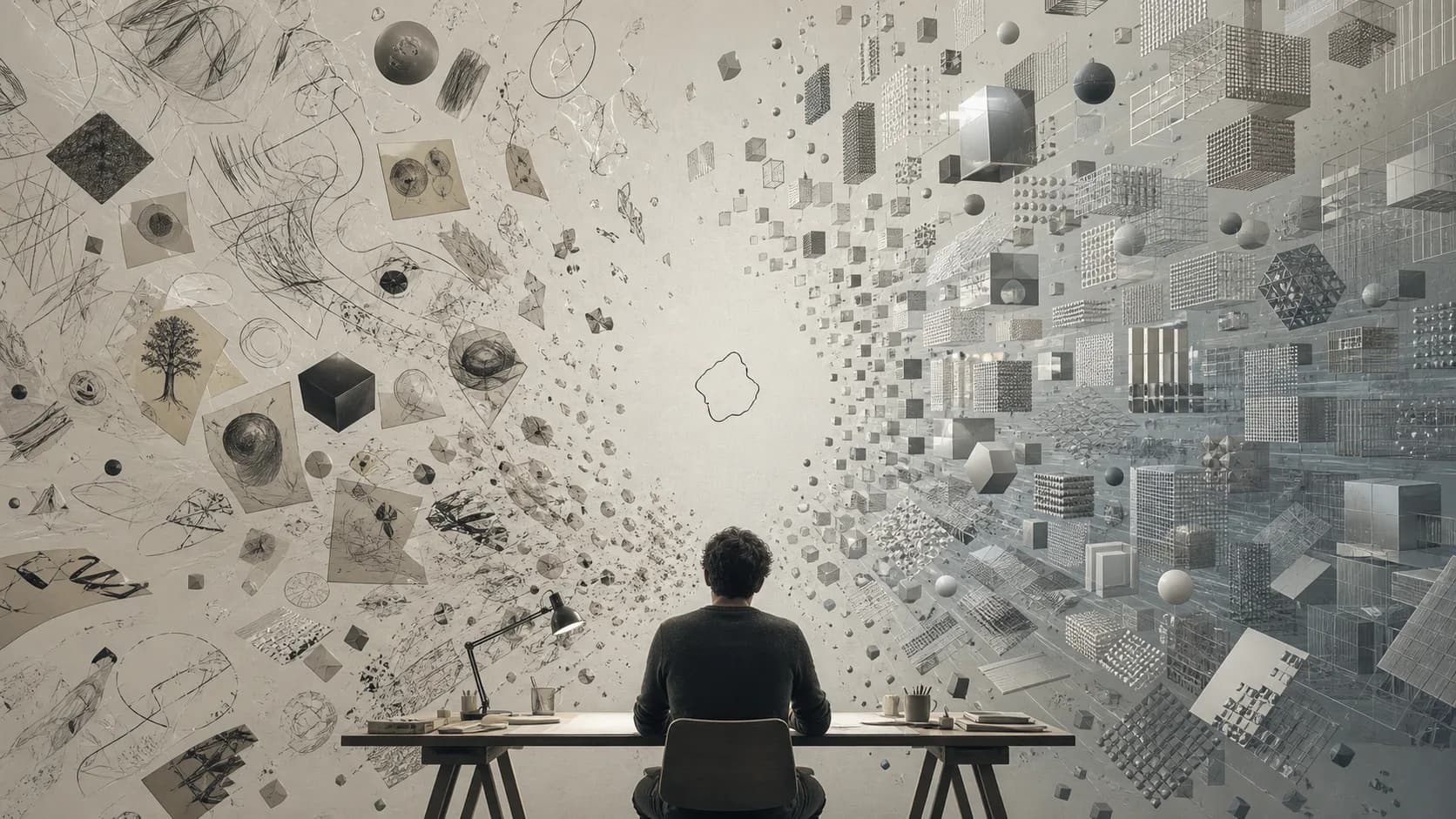
Is Artificial Intelligence Stopping Us From Having Ideas?
How is artificial intelligence changing the way designers arrive at ideas? A look at the relationship between AI and creativity, at the designer's role, and at the future of creative thinking.
The Story of a Colour: Watching Exceptional Colours
A personal look at the history of colour, its role in design and its relationship with creative thinking, starting from TRT 2's documentary series Exceptional Colours.
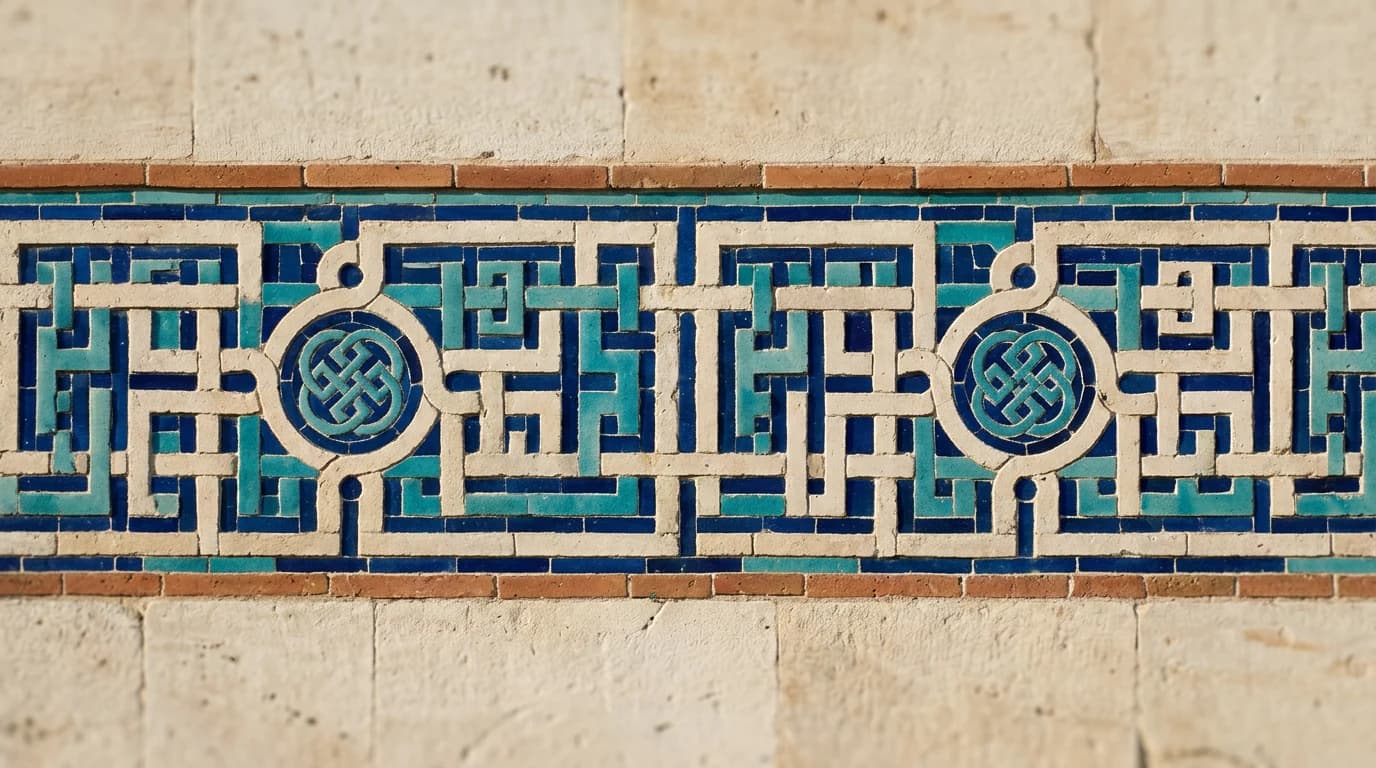
Seljuk Kufic: From Writing to Geometry
The geometric structure of Seljuk Kufic, the knotted Kufic examples, and what the script has to do with typography, the grid, rhythm and design.